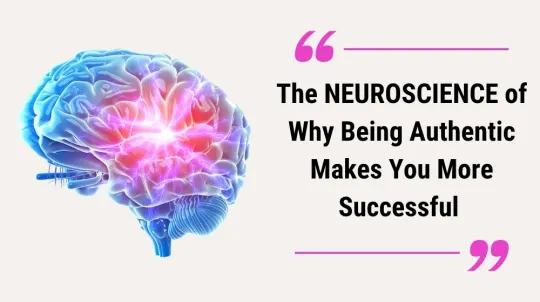
I named my mentoring and advisory business EKTE, it means genuine and authentic in Norwegian. I believe that our authenticity, being true to who we REALLY are, is not only critical for our happiness and the quality of the connection we have with others, but also for success.
The irony is that even if you think you have qualities, quirks or behaviours that you believe are not desirable or liked by others, you would actually be better off displaying these rather than hiding or masking them. Why? Because the limbic system in your brain instinctively tell you to trust authentic people.
.png/:/cr=t:0%25,l:0%25,w:100%25,h:100%25/rs=w:1280 "The Limbic System is responsible for all our feelings, like trust and loyalty. It is also responsible for all human behaviour, all decision-making. But it has no capacity for language.")
The limbic system plays a pivotal role in social interactions and the instinctive ability to trust others.
This system is deeply involved in processing emotions, forming memories, and regulating responses to social stimuli. When you meet someone new, you will make a decision whether they are trustworthy, based on instinctive emotions and feedback from the limbic system, and then you post hoc rationalise why later, and put it into language.
The limbic system’s role in trust is multifaceted:
The Amygdala
The amygdala is essential for processing emotions, particularly fear and pleasure, and is a major processing centre for emotions. This is the part of the brain that instigates the fight-or-flight response without any initiative from you. It helps assess the emotional valence of social interactions. When encountering someone who is authentic, the amygdala can detect congruence between their verbal and non-verbal cues, signalling safety and trustworthiness.
The Hippocampus
This structure is critical for forming and retrieving memories. Positive interactions with authentic individuals are encoded as trustworthy experiences, reinforcing future trust. Conversely, if someone has previously demonstrated authenticity, the hippocampus helps recall these positive interactions, facilitating trust in future encounters.
Oxytocin Release
The hypothalamus, through its role in regulating hormones, stimulates the release of oxytocin, often dubbed the “trust hormone.” Authentic interactions can trigger oxytocin release, promoting bonding and trust. This neurochemical response is a powerful mechanism by which the brain fosters trust in others.
Recognising Authenticity
The limbic system is adept at detecting authenticity through various cues:
Consistency Between Verbal and Non-verbal Communication
Authentic people tend to have congruence between their words and body language. The limbic system is highly sensitive to these cues, allowing individuals to instinctively trust those whose expressions match their spoken words.
Emotional Resonance
Authentic individuals often express genuine emotions, which can resonate with others on an emotional level. The limbic system, particularly through the amygdala, processes these genuine emotional signals, fostering an intuitive sense of trust.
Eye Contact and Facial Expressions
Eye contact and facial expressions are potent indicators of sincerity. Authentic people maintain eye contact and exhibit facial expressions that reflect their true feelings. The limbic system’s ability to read and interpret these subtle cues helps individuals gauge the trustworthiness of others instinctively.
Evolutionary Perspective
From an evolutionary standpoint, the ability to detect authenticity and trustworthiness has been crucial for survival. Early humans relied on their social bonds for protection, resource sharing, and cooperative hunting. The limbic system’s ability to quickly assess the trustworthiness of others would have been a significant advantage, ensuring that individuals could form reliable alliances and avoid deceit.
Trust and Connection
The limbic system’s role in processing and responding to authenticity underscores the deep-seated nature of trust in human interactions. By detecting emotional congruence and genuine expressions, the limbic system helps individuals navigate social landscapes and form meaningful, trustworthy connections.
So the next time you feel the need to adapt or change who you are, remember, authenticity breeds trust and connection – just be YOU!
Be EKTE.